Cleaning Equipment Hire for Homeowners: What to Rent, Where to Find It, and What It Costs
Most household cleaning tasks only need a mop and a vacuum. But every once in a while, a job comes along that demands real equipment. A deep clean before selling your home, a flooded laundry room, or carpets that haven’t been properly cleaned in years — these jobs call for machines that most homeowners don’t own and don’t need to own.
Hiring cleaning equipment gives you access to commercial-grade machines for a short period, without the cost of buying them. This guide covers the main types of equipment you can hire, what they cost, where to find them, and what to check before you sign the rental agreement.
Key Takeaways
- Hire, don’t buy: Commercial cleaning machines cost hundreds to thousands of dollars to purchase. Hiring one for a day costs a fraction of that.
- HEPA vacuums are essential for post-renovation dust and allergen removal. Standard vacuums don’t capture fine particles.
- Floor scrubbers clean and dry hard floors in one pass, making them ideal for large tiled or sealed concrete areas.
- Carpet extractors use hot water and suction to remove deep dirt and stains from carpet fibres.
- Pressure washers are the most commonly hired piece of cleaning equipment for homeowners, available at most hardware stores.
- Always check insurance, safety deposits, and cleaning requirements before picking up any hired equipment.
What Types of Cleaning Equipment Can Homeowners Hire?

Quick Answer: Homeowners can hire pressure washers, HEPA vacuums, carpet extractors, floor scrubbers, steam cleaners, and wet/dry vacuums. These machines are available through hardware hire centres, specialist cleaning equipment suppliers, and some supermarket chains.
The range of equipment available for hire is wider than most people expect. You don’t need a business account or a contractor’s licence to rent most of it. Walk into any large hardware chain’s hire centre and you’ll find at least five or six different cleaning machines available by the day or weekend.
The right machine depends on your surface type, the scale of the job, and how much physical effort you’re willing to put in. Here’s a breakdown of the main categories.
Pressure Washers
Pressure washers use high-pressure water to blast dirt, mould, and grime off hard surfaces. They’re ideal for driveways, decking, fences, exterior walls, and paths. Most hire centres stock both electric and petrol models. Electric models are quieter and easier to handle. Petrol models deliver higher pressure and suit larger jobs.
HEPA Vacuums
A HEPA vacuum uses a High Efficiency Particulate Air filter to trap particles as small as 0.3 microns. This includes fine dust, allergens, mould spores, and construction debris that a standard household vacuum would recirculate back into the air. These are essential for post-renovation clean-ups and for anyone dealing with mould remediation.
Carpet Extractors
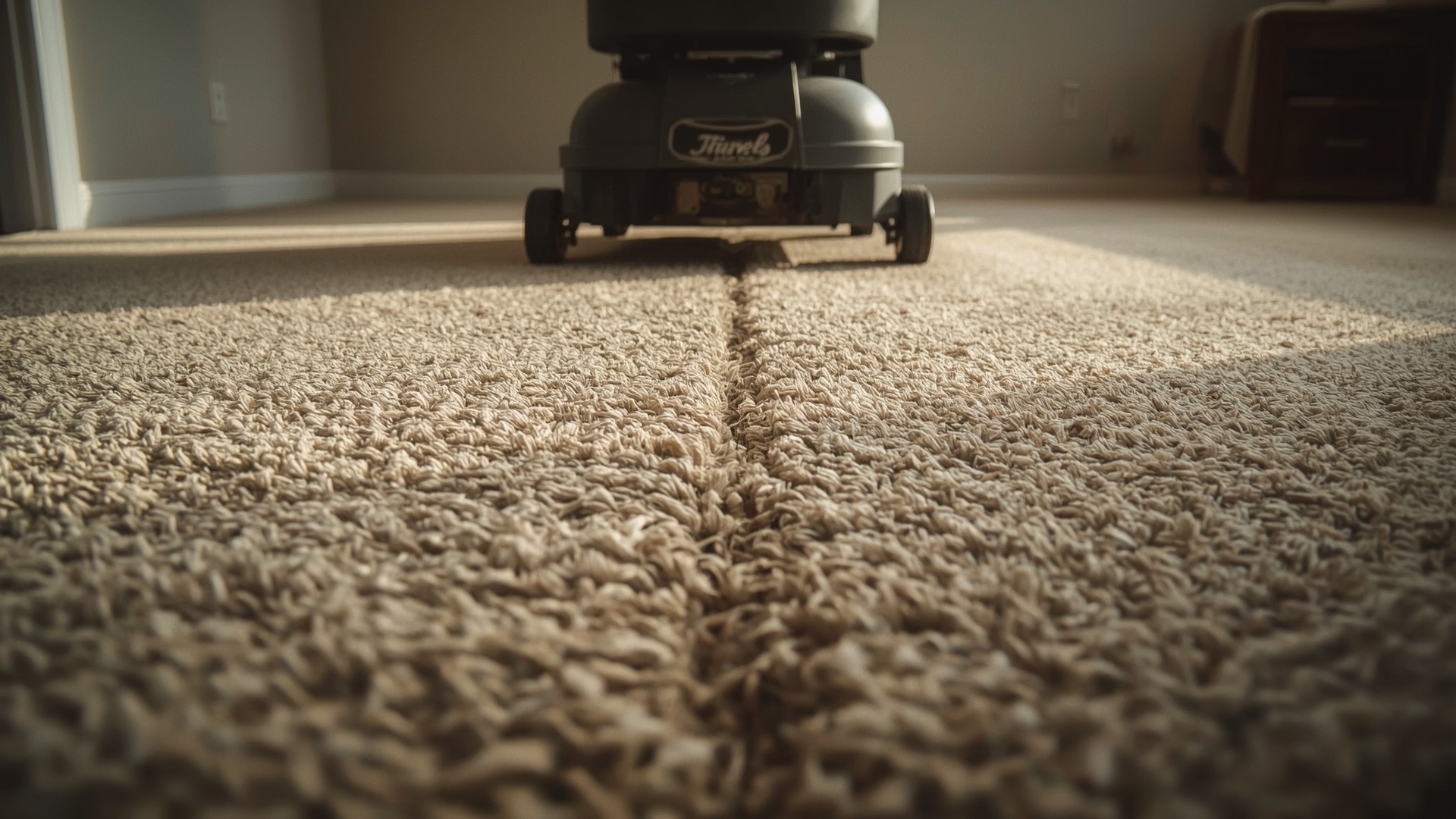
Carpet extractors (also called hot water extraction machines or carpet steam cleaners) spray hot water and cleaning solution into carpet fibres, then suction it back out along with the loosened dirt. They’re available as upright walk-behind models or as portable units with hose attachments for stairs and furniture.
Floor Scrubbers
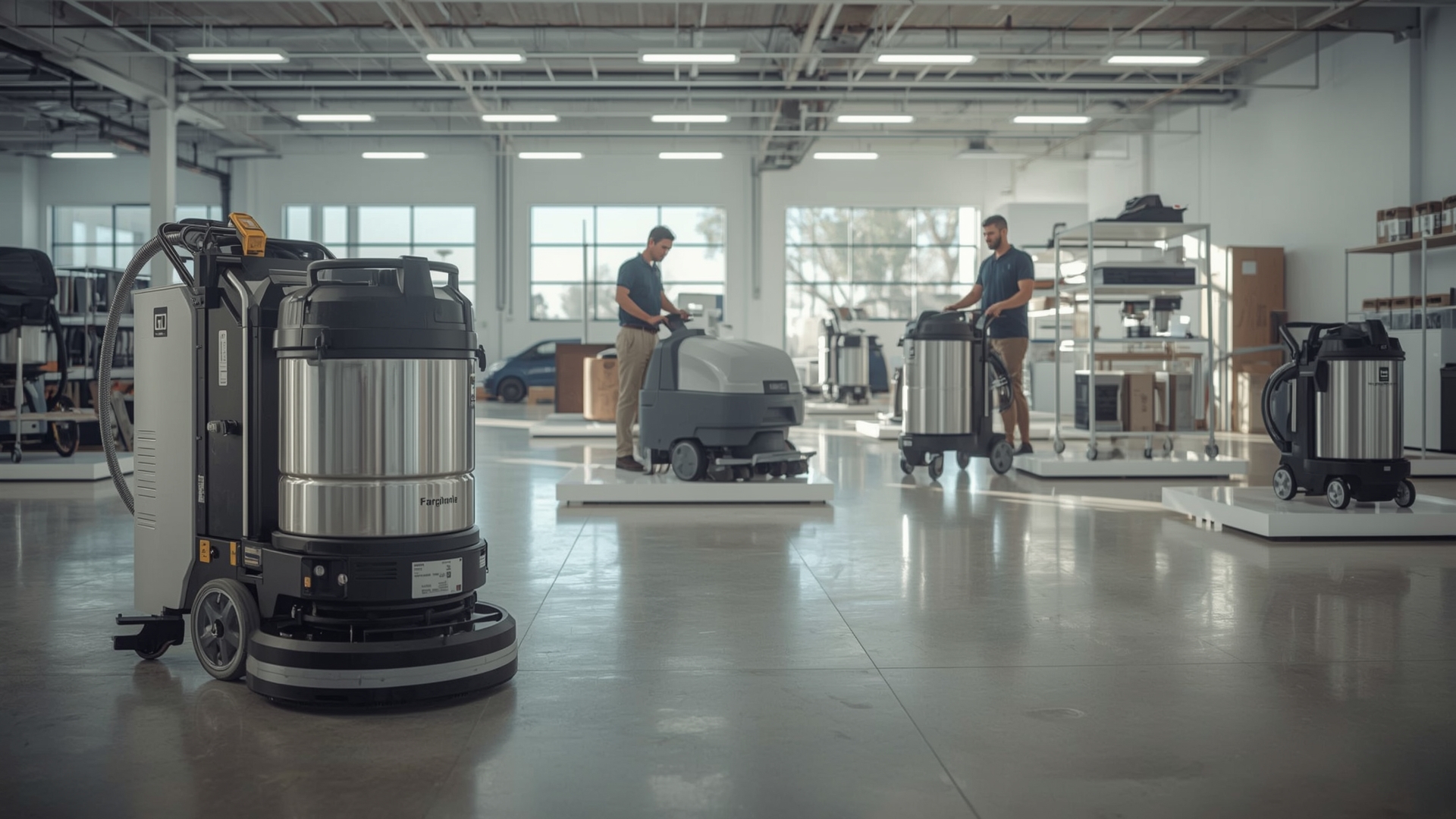
Floor scrubbers use rotating pads or brushes to scrub hard floors with solution, then vacuum up the dirty water in the same pass. They’re best suited to large tiled areas, sealed concrete, and vinyl flooring. Walk-behind models are available for homeowner hire and can cover a standard-sized kitchen and living area in under an hour.
Steam Cleaners
Steam cleaners heat water to produce pressurised steam that sanitises surfaces without chemicals. They work on tiles, grout, sealed floors, kitchen benchtops, bathroom fittings, and upholstery. They’re a good choice for anyone who wants a chemical-free clean.
Wet and Dry Vacuums
Wet/dry vacuums (sometimes called shop vacs) handle both liquid spills and dry debris. They’re commonly hired after water damage, during renovations, or for cleaning garages and workshops. Most hold between 20 and 80 litres and come with a range of attachments.
What Does It Cost to Hire Cleaning Equipment?
Quick Answer: Cleaning equipment hire costs range from $40 to $200 per day depending on the machine type. Pressure washers typically start at $60 per day. Carpet extractors run $80 to $150 per day. HEPA vacuums and floor scrubbers generally cost $80 to $200 per day.
Prices vary between suppliers, regions, and machine sizes. The figures below are typical day-rate ranges based on standard homeowner-grade hire models. Larger, more powerful machines cost more. Weekend rates are usually cheaper per day than single-day rates.
| Equipment Type | Half-Day Rate | Full-Day Rate | Weekend Rate | Security Deposit (Typical) |
|---|---|---|---|---|
| Pressure Washer (Electric) | $40–$55 | $60–$90 | $90–$130 | $50–$200 |
| Pressure Washer (Petrol) | $60–$80 | $90–$140 | $130–$200 | $100–$300 |
| HEPA Vacuum | $50–$70 | $80–$130 | $120–$180 | $50–$150 |
| Carpet Extractor (Upright) | $55–$75 | $80–$150 | $130–$200 | $100–$300 |
| Walk-Behind Floor Scrubber | $70–$100 | $120–$200 | $170–$280 | $200–$500 |
| Steam Cleaner | $40–$60 | $60–$110 | $90–$150 | $50–$150 |
| Wet/Dry Vacuum | $30–$45 | $50–$80 | $70–$120 | $50–$100 |
Some hire centres also charge for cleaning solution separately. Others include a starter amount with the machine. Ask before you book.
Where Can Homeowners Hire Cleaning Equipment?
Quick Answer: Homeowners can hire cleaning equipment from hardware chain hire centres like Bunnings and Total Tools, specialist equipment hire companies, local independent hire shops, and some large supermarkets that stock carpet cleaning machine hire in-store.
Hardware Chain Hire Centres
Large hardware retailers operate in-store hire departments. These are the most accessible option for most homeowners. You’ll find pressure washers, wet/dry vacuums, and floor care machines available for day or weekend hire. Stock varies by store, so call ahead to confirm availability before making the trip.
Specialist Equipment Hire Companies
Companies like Kennards Hire, Coates Hire, and Total Hoist (availability varies by region) carry a broader range of cleaning equipment than most hardware stores. They often stock commercial-grade HEPA vacuums, larger carpet extractors, and ride-on scrubbers. These suppliers typically offer better machine condition checks and more thorough handover instructions.
Carpet Cleaning Machine Hire at Supermarkets
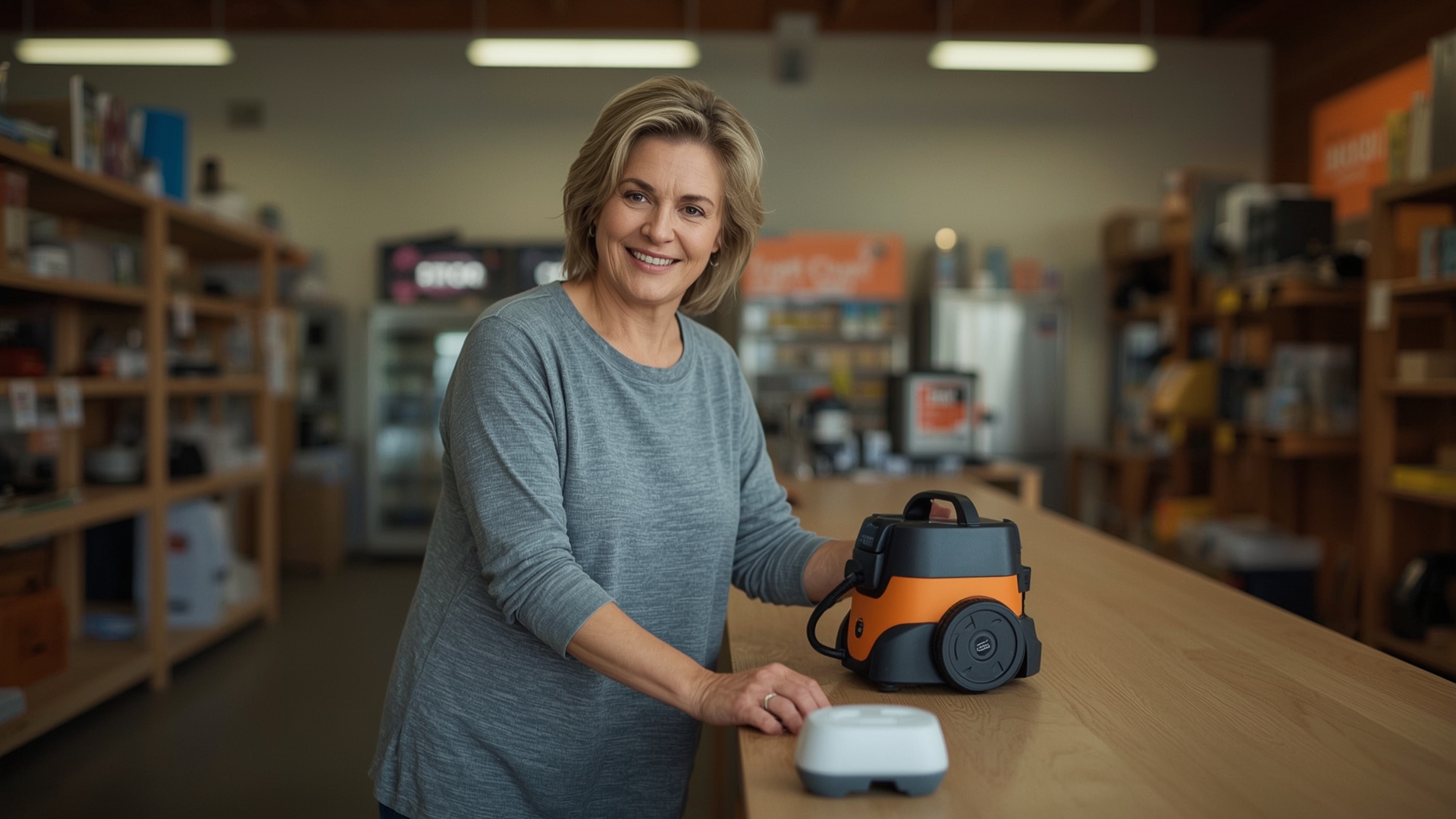
Some large supermarkets offer carpet extractor hire through in-store kiosks or third-party partnerships. The machines are usually compact upright units designed for household use. They’re a convenient option for small carpet areas, though the machines are generally less powerful than those available from a dedicated hire centre.
Online Hire Platforms
Peer-to-peer hire platforms allow individuals and small businesses to rent out equipment they own. This can reduce costs, but check the machine’s service history, condition, and whether it comes with operating instructions before committing.
What Should You Check Before Hiring a HEPA Vacuum?
Quick Answer: Before hiring a HEPA vacuum, check the filter rating (H13 or H14 for true HEPA), confirm the filter hasn’t been compromised, verify the suction strength in CFM or air watts, and ask when the machine was last serviced. A damaged HEPA filter defeats the purpose.
HEPA vacuums are only effective when the filtration system is intact. A machine with a torn or overloaded filter will recirculate fine particles back into the room. This matters especially when dealing with post-renovation dust or mould spores.
HEPA Filter Ratings Explained
Not all HEPA filters are equal. The rating tells you how much of a given particle size the filter captures in a single pass.
| Filter Class | Particle Retention Rate | Best Use Case | Common in Hired Equipment |
|---|---|---|---|
| H10 | 85% at 0.3 microns | General dust, light allergens | Rarely — typically budget machines |
| H11 | 95% at 0.3 microns | Allergen reduction, pet dander | Sometimes — basic hire models |
| H13 | 99.95% at 0.3 microns | Post-renovation, mould remediation | Yes — standard for quality hire |
| H14 | 99.995% at 0.3 microns | Asbestos-adjacent work, hazardous dust | Specialist hire only |
For post-renovation clean-ups involving plaster, drywall dust, or any suspected mould, you want an H13-rated machine at minimum. Ask the hire centre to confirm the filter class before you leave the counter.
What to Inspect at Pickup
- Check the filter visually — no tears, no clogging, no visible gaps around the seal
- Turn the machine on and confirm strong, consistent suction at the nozzle
- Make sure the canister or bag is empty before you start
- Ask how the filter should be handled when you empty the dust chamber (sealed bag method is safest)
- Confirm whether the hose attachments are compatible with your job
What Should You Know Before Hiring a Floor Scrubber?
Quick Answer: Before hiring a floor scrubber, confirm the pad or brush type suits your floor surface, check the solution tank capacity and battery run time, and get a brief operating demonstration. Using the wrong pad type can scratch or dull sealed floors.
Floor scrubbers look simple to operate, but they require a short learning curve. The most common mistake homeowners make is using too much cleaning solution, which leaves a residue that attracts more dirt.
Floor Scrubber Specifications to Compare
| Attribute | Light-Duty Hire Model | Mid-Range Hire Model |
|---|---|---|
| Cleaning Path Width | 30–40 cm | 45–55 cm |
| Solution Tank Capacity | 10–15 litres | 20–30 litres |
| Recovery Tank Capacity | 10–15 litres | 20–30 litres |
| Run Time (Battery) | 45–60 minutes | 60–90 minutes |
| Floor Coverage Per Hour | 300–500 m² | 500–900 m² |
| Weight (Approximate) | 25–40 kg | 45–80 kg |
| Suitable Floor Types | Tile, vinyl, sealed concrete | Tile, vinyl, sealed concrete, epoxy |
Pad Types and Floor Compatibility
Hire centres typically include one or two pad types with the machine. The wrong pad can dull or scratch your floor.
- Red scrubbing pad: Light-duty cleaning on smooth, finished floors like polished tile or vinyl
- Blue cleaning pad: Medium scrubbing for slightly textured surfaces or moderately soiled floors
- Green scrubbing pad: Heavier scrubbing for grout lines, rough tiles, and sealed concrete
- Black stripping pad: Designed to remove old floor finish — do not use on unfinished or sensitive floors
How Do You Hire a Carpet Extractor Safely?
Quick Answer: To hire a carpet extractor safely, confirm it uses hot water extraction (not just cold water), test the machine for leaks before starting, use the recommended carpet cleaning solution at the correct dilution rate, and allow 4 to 8 hours of drying time after cleaning.
Carpet extractors are more forgiving than floor scrubbers, but they still require some preparation. Wet carpets that aren’t dried quickly can develop mould within 24 to 48 hours. Good airflow and drying time matter as much as the cleaning itself.
Carpet Extractor Hire: What to Prepare
- Vacuum first: Remove loose dirt and debris with a standard vacuum before using the extractor. Extractors aren’t designed to pick up dry surface debris.
- Pre-treat stains: Apply a pre-treatment spray to heavy stains and let it sit for 5 to 10 minutes before extraction.
- Use the right dilution: Follow the cleaning solution label. Too much solution = sticky residue. Too little = poor results.
- Make slow, overlapping passes: Move slowly enough to allow the solution to penetrate before the suction head passes over.
- Do a dry pass at the end: Run the machine with the solution turned off to extract as much moisture as possible.
- Ventilate immediately: Open windows and run ceiling fans or portable fans. Drying time is typically 4 to 8 hours in warm, ventilated conditions.
What Questions Should You Ask the Hire Centre Before You Book?
Quick Answer: Ask about machine condition, service history, what’s included in the hire price, whether cleaning solution costs extra, how to handle breakdowns mid-job, and what the return condition requirements are. These questions prevent unexpected charges and mid-job problems.
Questions Worth Asking Before You Sign
- How recently was this machine last serviced?
- Is cleaning solution included, or do I buy it separately?
- What does the return condition need to look like — cleaned, emptied, rinsed?
- Is there a damage waiver option, and what does it cover?
- What happens if the machine breaks down mid-job — do I get a refund or a replacement?
- Are there fuel or cleaning product restrictions I need to follow?
- Is the security deposit refunded immediately on return, or does it take several days?
What Are the Hidden Costs of Hiring Cleaning Equipment?
Quick Answer: Hidden costs include cleaning solution sold separately, damage waivers, late return fees, fuel charges for petrol-powered equipment, and penalties for returning the machine dirty. Budget an extra $20 to $80 per hire for consumables and fees.
The advertised hire rate is rarely the full cost. Here’s what often gets added on.
| Additional Cost | Typical Amount | When It Applies |
|---|---|---|
| Cleaning solution | $10–$40 per bottle | Most machines require specific solution |
| Damage waiver | $10–$30 per hire | Optional but recommended for expensive machines |
| Late return fee | $20–$60 per hour | Applies if returned after agreed time |
| Dirty return penalty | $30–$100+ | If machine is returned uncleaned |
| Fuel charge (petrol units) | $15–$50 | If not refuelled to starting level |
| Replacement consumables | $15–$60 | Filters, pads, bags if damaged or missing |
Is It Worth Hiring Equipment or Should You Hire a Professional?
Quick Answer: Hiring equipment makes sense for straightforward jobs on surfaces you’re confident working with. Hire a professional cleaner when the job involves potential damage risk, hazardous materials, or when the cost difference is small enough that the time and effort aren’t worth it.
This comes down to three factors: complexity, risk, and cost comparison.
When DIY Hire Makes Sense
- You have a large area of simple surface (driveway, tiled floor, open carpet)
- You’re comfortable operating the machine and have time to learn it
- The job doesn’t involve any uncertainty about the surface type or condition
- Your budget is tight and you’re willing to trade money for effort
When to Call a Professional Instead
- Mould remediation — requires containment protocols, not just a HEPA vacuum
- Delicate or expensive flooring like hardwood, engineered timber, or natural stone
- Any situation involving suspected asbestos or hazardous dust (do not use hire equipment — contact a licensed professional)
- End-of-lease cleaning where documentation and a standard of result are required
- Water damage where moisture mapping and drying equipment are also needed
What Safety Rules Apply When Using Hired Cleaning Equipment?
Quick Answer: Always read the operating manual, wear appropriate PPE (gloves, safety glasses, hearing protection for petrol units), keep children and pets away from the work area, and never bypass safety features. Most hire-related injuries involve pressure washers used without eye protection.
Equipment-Specific Safety Notes
- Pressure washers: Never point the lance at people, animals, or power lines. High-pressure water can penetrate skin and cause serious injury. Use appropriate nozzle tips — zero-degree (red) nozzles are for stripping, not general cleaning.
- Floor scrubbers: Keep the recovery tank emptied regularly. Overfilling causes spills and creates slip hazards. Wet floors are extremely slippery — post wet floor signs if others are in the area.
- Carpet extractors: Don’t over-wet the carpet. Excessive moisture that reaches the underlay or subfloor can cause long-term structural problems.
- HEPA vacuums: Empty the dust chamber outside or into a sealed bag. Do not tap or shake the filter — this releases trapped particles back into the air.
- Steam cleaners: Allow the unit to pressurise before use and depressurise fully before opening the tank cap. Steam at operating temperature causes burns.
Frequently Asked Questions
Can homeowners hire commercial-grade cleaning equipment, or is it only for businesses?
Most hire centres rent to anyone with a valid ID and a credit card for the security deposit. You don’t need a business account or ABN. Some specialist suppliers focus on trade and commercial clients, but the major hardware chains and general hire companies serve homeowners directly.
How far in advance should I book cleaning equipment hire?
For pressure washers and wet/dry vacuums, same-day or next-day bookings are usually possible at larger hire centres. Carpet extractors and floor scrubbers book out faster, especially on weekends. Aim to book at least two to three days ahead for any machine you’re not willing to substitute.
Do I need a licence to operate a hired floor scrubber or carpet extractor?
No licence is required to operate walk-behind floor scrubbers or carpet extractors hired for domestic use. The hire centre will provide a brief operating handover. Read the manual and ask questions before leaving — most issues happen because operators skip the handover.
What happens if I damage the hired equipment?
You’re liable for damage beyond normal wear. Most hire centres require a security deposit (held on your credit card) and offer an optional damage waiver that reduces or eliminates your liability for accidental damage. The waiver typically doesn’t cover misuse, theft, or loss.
Can I hire a HEPA vacuum for post-renovation dust after a small DIY project?
Yes, and it’s strongly recommended. Plasterboard (drywall) dust and sanding residue contain fine particles that circulate for hours after work stops. A standard household vacuum will spread these particles rather than remove them. An H13-rated HEPA vacuum collects and retains them safely.
Is hiring cleaning equipment more cost-effective than buying it?
For most homeowners, yes. A walk-behind floor scrubber costs $800 to $3,000 to buy new. Hiring one for $150 pays off if you use it fewer than five to ten times over its lifetime. Pressure washers are the exception — if you use one several times a year, buying a light-duty electric model often makes financial sense within two years.