
Cleaning Company Public Liability Insurance Requirements Explained
When you hire a cleaning company, you’re letting strangers into your home or business. If something goes wrong — a broken vase, a slip on a wet floor, or a damaged surface — someone has to pay. That’s exactly what public liability insurance is for. Without it, you could be left covering costs that should never have been yours.
This guide explains what public liability insurance means for cleaning companies, how much coverage is enough, and how to confirm a company actually has it before they start work.
Key Takeaways
- Public liability insurance protects you if a cleaning company causes property damage or personal injury during a job.
- Minimum recommended coverage is $5 million, though $10 million or $20 million is standard for commercial cleaning contracts.
- A certificate of currency is the document that proves a policy is active — always ask for one before work begins.
- Subcontractors need their own coverage — a company’s policy may not automatically extend to independent contractors they send to your property.
- Workers compensation is separate from public liability and covers staff injuries, not client property or third-party claims.
- Always check the policy expiry date on the certificate — an expired policy offers zero protection.
What Is Public Liability Insurance for a Cleaning Company?

Quick Answer: Public liability insurance covers a cleaning company’s legal costs and compensation payments if their work causes injury to a third party or damages someone’s property. It protects both the cleaner and the client from unexpected financial loss during a job.
Public liability insurance (often called PLI) is a type of business insurance. It activates when a cleaning company’s actions — or a failure to act safely — cause harm to someone else or their property.
Think of it like a safety net between the cleaner and the client. If a cleaner knocks over an expensive monitor while dusting a desk, or leaves a wet floor that causes a visitor to fall, the insurance pays for the damage or medical costs instead of the cleaner paying out of pocket.
This coverage applies to third parties. That means the client, the client’s guests, or any member of the public affected by the cleaning work. It does not cover the cleaner’s own injuries — that’s handled by a separate workers compensation policy.
What Does Public Liability Insurance Actually Cover?
Coverage typically includes:
- Property damage caused by cleaning staff or their equipment
- Bodily injury to a client or bystander (e.g., a slip on a wet floor)
- Legal defence costs if a claim goes to court
- Compensation payments awarded by a court or agreed in a settlement
- Accidental damage to items like flooring, fixtures, or furniture
What Public Liability Insurance Does NOT Cover
Equally important is knowing the gaps:
- Intentional damage or theft by cleaning staff
- Damage to the cleaner’s own tools or vehicle (covered by separate equipment or motor vehicle insurance)
- Injuries to the cleaning company’s own employees (workers compensation covers this)
- Professional errors or advice-related losses (covered by professional indemnity insurance)
- Pre-existing damage claimed after the fact
How Much Public Liability Coverage Does a Cleaning Company Need?
Quick Answer: Most residential cleaning jobs require at least $5 million in public liability coverage. Commercial cleaning contracts typically require $10 million to $20 million. Some government and strata contracts specify $20 million as a minimum requirement.
Coverage levels are usually expressed as the maximum amount the insurer will pay per claim or per year. A $5 million policy means the insurer covers claims up to $5 million — anything beyond that falls on the cleaning company (or the uninsured party).
The right coverage level depends on the job environment. A cleaner working in private homes faces lower-risk exposures than one cleaning a hospital, a school, or a multi-level office building.
Public Liability Coverage Levels by Job Type
| Job Type | Recommended Minimum Coverage | Common Contract Requirement | Risk Level |
|---|---|---|---|
| Residential (single home) | $5 million | $5 million | Low to Medium |
| Small commercial office | $10 million | $10 million | Medium |
| Strata/multi-unit complex | $10 million | $20 million | Medium to High |
| Government or council contract | $20 million | $20 million | High |
| Hospital or aged care facility | $20 million | $20 million+ | Very High |
| Post-construction cleaning | $10 million | $10–$20 million | Medium to High |
Why Higher Coverage Costs Less Than You Think
Upgrading from a $5 million to a $10 million policy typically adds only a small amount to the annual premium. The difference might be $50 to $150 per year, depending on the insurer and the company’s claims history. The risk gap between the two levels is significant. The premium gap usually isn’t.
What Other Insurance Should a Cleaning Company Carry?
Quick Answer: Beyond public liability, a professional cleaning company should carry workers compensation insurance for all employees, tools and equipment insurance, and in some cases, professional indemnity insurance. These policies cover different risks that public liability alone does not address.
Public liability is the most important policy, but it only covers one category of risk. A complete insurance profile for a cleaning business typically includes several types of coverage working together.
Complete Insurance Profile for Cleaning Companies
| Insurance Type | What It Covers | Who It Protects | Typical Annual Cost (Small Business) |
|---|---|---|---|
| Public Liability | Third-party injury or property damage | Client, visitors, general public | $400–$1,200/year |
| Workers Compensation | Employee injury, illness, rehabilitation | Cleaning staff | Calculated as % of payroll (varies by state) |
| Tools and Equipment | Theft or accidental damage to cleaning gear | The cleaning business | $200–$600/year |
| Professional Indemnity | Claims from poor workmanship advice or errors | Client (financial loss from advice) | $300–$900/year |
| Commercial Vehicle | Accidents involving business vehicles | Third parties, business property | $800–$2,500/year |
Is Workers Compensation Mandatory?
In Australia, workers compensation is legally required for any business with employees. Each state and territory has its own scheme and regulator. If a cleaning company operates with staff — not just sole operators — they must hold a valid workers compensation policy. Operating without one can result in heavy fines and personal liability for any workplace injury.
Does Public Liability Cover Cleaning Subcontractors?
Quick Answer: Not automatically. A cleaning company’s public liability policy usually covers its direct employees, not independent subcontractors. Subcontractors should hold their own public liability insurance. Always ask your cleaning company whether their subcontractors carry separate coverage.
This is one of the most misunderstood points in cleaning industry insurance. Many cleaning companies scale their operations by sending subcontractors to jobs instead of direct employees. The company’s policy may name only its own staff or business activities — not the subcontractors working under its brand.
If a subcontractor causes damage at your property and they have no insurance, and the contracting company’s policy excludes them, the gap in coverage becomes your problem. That’s a real risk, especially for residential clients who assume the company they hired is fully covered.
How to Check Subcontractor Coverage
- Ask the cleaning company directly: “Do you use subcontractors, and do they carry their own public liability insurance?”
- Request copies of subcontractor certificates of insurance alongside the company’s own certificate.
- Check whether the company’s policy explicitly includes subcontractor activities (some policies do — this is called an “extended coverage” or “principal contractor” endorsement).
- Confirm coverage amounts match your minimum requirements — a subcontractor’s $2 million policy may fall short of what your contract specifies.
What Is a Certificate of Currency and Why Does It Matter?
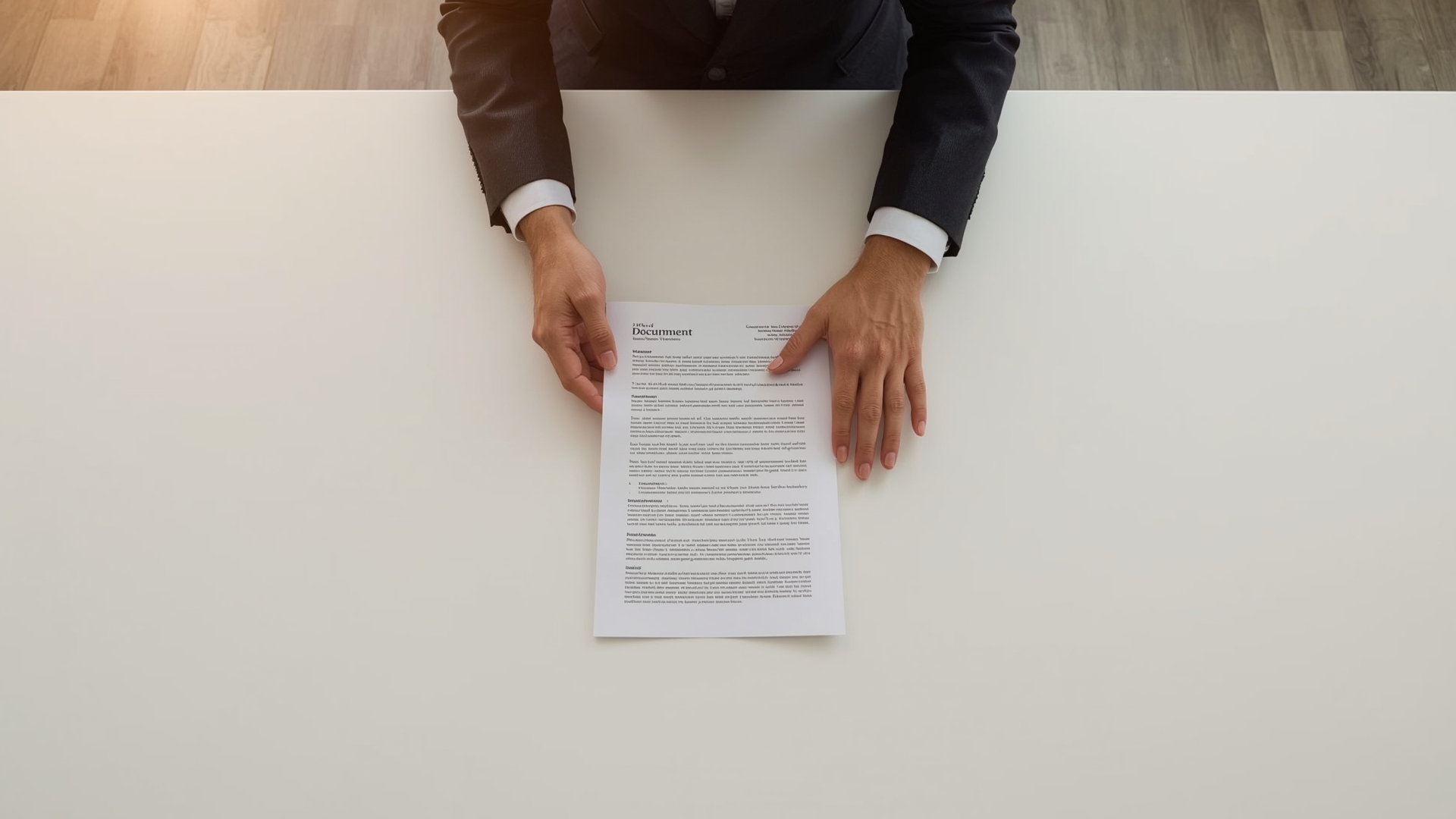
Quick Answer: A certificate of currency is an official document from an insurer confirming that a specific policy is active and valid. It shows the policy holder’s name, insurer, policy type, coverage amount, and expiry date. It’s the only reliable way to confirm insurance is current before work begins.
A certificate of currency (sometimes called a certificate of insurance) is issued by the insurance company, not the cleaning business. This matters because a cleaning company cannot produce one themselves — it comes directly from the insurer or broker and reflects the actual policy status on the date it’s issued.
An old certificate means nothing if the policy has lapsed since it was printed. Always check the expiry date and request a fresh certificate if you’re not sure how current the document is.
What Information Appears on a Certificate of Currency
| Field | What to Look For | Red Flag |
|---|---|---|
| Policy Holder Name | Must match the trading name you’re hiring | Different business name or ABN |
| Insurer Name | Recognised Australian insurer or Lloyd’s syndicate | Unknown or offshore entity |
| Policy Type | Must say “Public Liability” | Only lists tools/equipment insurance |
| Coverage Amount | At least $5M for residential, $10–20M for commercial | Under $2 million for any job |
| Policy Period | Start and end dates — must cover your job date | Expired or expiring within days |
| Endorsements or Exclusions | Check for activity-specific exclusions | “Cleaning excluded” or narrow coverage scope |
How to Request a Certificate of Currency
Ask the cleaning company to provide one before they start any work. A reputable company will have this document ready. If they hesitate or say they’ll “get it later,” treat that as a warning sign.
You can also verify coverage independently. Contact the insurer listed on the certificate and confirm the policy number and status. Insurers will typically confirm whether a policy is active without disclosing confidential terms.
How Do You Verify a Cleaning Company’s Insurance Is Legitimate?
Quick Answer: Request a current certificate of currency, confirm the policy holder name matches the company’s ABN, check the coverage amount and expiry date, and call the listed insurer directly to verify the policy number is active. Do this before signing any contract or allowing work to start.
Verifying insurance takes about five minutes and protects you from significant financial exposure. Here’s a step-by-step process that works for both residential and commercial clients.
Step-by-Step: Verifying a Cleaning Company’s Insurance
- Request the certificate before signing — ask for a certificate of currency specifically, not just a verbal confirmation or a screenshot of an old document.
- Match the business name and ABN — check that the name on the certificate matches the company’s Australian Business Number (ABN) on the Australian Business Register (ABR).
- Check the coverage amount — confirm it meets your minimum requirement (at least $5 million for residential, $10 to $20 million for commercial).
- Confirm the policy is current — the expiry date on the certificate must be after your scheduled job date.
- Call the insurer directly — look up the insurer’s contact number independently (not from the certificate alone) and confirm the policy number is active.
- Ask about subcontractors — confirm whether coverage extends to subcontractors or if separate policies are required.
- Store a copy — keep the certificate on file, especially for ongoing or commercial cleaning contracts.
What Happens If a Cleaning Company Has No Insurance?
Quick Answer: If an uninsured cleaning company damages your property or injures someone at your premises, you may have to pursue the company directly through civil courts. This process is slow, expensive, and often results in little recovery if the business has limited assets.
An uninsured cleaner isn’t necessarily a dishonest one — some small operators genuinely don’t realise insurance is expected. But intent doesn’t change the outcome. If something goes wrong, you’re left chasing compensation through channels that rarely move quickly or cheaply.
Property damage is the most common scenario. A cleaner uses the wrong product on a stone benchtop. A floor polishing machine scratches hardwood flooring. A window cleaning error causes a leak. These costs can run from a few hundred dollars to tens of thousands. Without insurance, recovering that money requires a formal legal claim against the individual or business — a process most people want to avoid.
Risks of Hiring an Uninsured Cleaning Company
| Risk Scenario | Potential Cost | Recovery Without Insurance |
|---|---|---|
| Damaged benchtop or flooring | $500–$10,000 | Civil tribunal claim |
| Broken fixture or fitting | $200–$3,000 | Small claims court |
| Visitor slip and fall on wet floor | $10,000–$500,000+ | Lengthy litigation, uncertain outcome |
| Water damage from cleaning error | $2,000–$50,000 | Civil court, enforcement of judgment |
| Chemical damage to surfaces or fabric | $300–$15,000 | Small claims or magistrates court |
Do Cleaning Companies Need to Show Insurance Before Starting a Job?
Quick Answer: There is no law in Australia requiring cleaning companies to show proof of insurance before starting residential work. However, most commercial contracts and strata agreements require it. For residential clients, requesting it is strongly recommended as a standard pre-hire step.
Legally, a sole trader or small cleaning business can operate without public liability insurance in many residential contexts — though doing so puts both them and their clients at serious financial risk. There is no national licensing body that mandates insurance for all cleaning work in Australia.
The exception is commercial work. Government contracts, body corporate agreements, facility management tenders, and hospital or school cleaning contracts almost always include insurance requirements as a condition of engagement. These contracts will not be awarded without proof of adequate coverage.
When Insurance Is a Contractual Requirement
- Government and council cleaning tenders
- Strata and body corporate cleaning agreements
- Commercial property management contracts
- Hospital, aged care, and school cleaning contracts
- Retail centre or shopping complex maintenance agreements
- Any contract specifying insurance minimums in the terms and conditions
How Should Cleaning Companies Keep Their Insurance Up to Date?
Quick Answer: Set a renewal reminder at least 30 days before the policy expiry date. Review coverage limits annually as the business grows. Update insurers when adding new service types, hiring staff, or taking on higher-risk contract types like hospital or construction site cleaning.
Insurance coverage can become inadequate without anyone noticing. A cleaning company that started with two staff doing residential jobs and now runs a 20-person commercial operation may still be carrying a $5 million residential-grade policy. That creates real exposure if a large commercial claim is made.
Annual Insurance Review Checklist for Cleaning Companies
- Confirm the policy expiry date and renew with at least 30 days’ notice
- Review total annual turnover — insurers use this to calculate premiums and adequate coverage
- Notify the insurer of any new service types added (e.g., starting carpet cleaning or post-construction cleaning)
- Update staff headcount changes that affect workers compensation premiums
- Check contract requirements for upcoming tenders and confirm coverage meets minimums
- Request an updated certificate of currency to provide to new clients
Frequently Asked Questions
Is $2 million in public liability insurance enough for a cleaning company?
For most jobs, $2 million is considered too low. Most residential clients expect at least $5 million, and commercial contracts typically require $10 million or more. A $2 million limit can be exhausted quickly in a serious personal injury claim.
Can a cleaning company use the same certificate of currency for multiple clients?
Yes. A certificate of currency reflects a policy’s status and can be shared with any client who requests it. The document is not job-specific. However, clients should still check that the expiry date covers the period they need and that the coverage amount matches their requirements.
What is the difference between public liability and products liability insurance?
Public liability covers damage or injury caused by the cleaning company’s actions on-site. Products liability covers harm caused by a product the company supplies or uses — for example, if a cleaning chemical damages surfaces or causes a health reaction. Some policies bundle both types together.
Do cleaning company owners working alone need public liability insurance?
Yes. Sole operators face the same risks as larger companies. If you accidentally damage a client’s property or a visitor is injured, your personal assets are at risk without coverage. A sole trader public liability policy typically costs $400 to $800 per year — a small cost compared to potential exposure.
What does “per occurrence” versus “aggregate limit” mean on a policy?
Per occurrence is the maximum payout for a single incident. Aggregate limit is the total the insurer will pay across all claims within the policy year. A policy showing $10 million per occurrence and $10 million aggregate means once total claims reach $10 million for the year, coverage stops until renewal.
Can clients be listed as additional insureds on a cleaning company’s policy?
Some insurers allow this. It means the named client also receives coverage protection under the cleaner’s policy, not just the cleaner. This is more common in commercial arrangements where the property owner or facility manager is written into the policy as a named party. Ask the insurer or broker if this option is available.
