Rental Property Turnover Cleaning: Scheduling, Costs, and What to Inspect
Every time a tenant moves out, the clock starts ticking. You have a limited window to clean the property, complete repairs, and get it ready for the next tenant. How you handle that window directly affects your vacancy rate, your bond dispute outcomes, and your rental income.
A proper turnover clean is not the same as a regular house clean. It covers every surface, every appliance, and every corner of the property — often for the first time in months or years. Getting it right means fewer disputes, faster re-letting, and a property that holds its value over time.
Key Takeaways
- Turnover cleans are deeper than regular cleans — they cover appliances, windows, grout, and areas tenants routinely miss.
- Scheduling within 24–48 hours of vacating gives you the most flexibility to address issues before the ingoing inspection.
- Professional cleans cost $300–$800 for most residential properties depending on size, condition, and add-on services like carpet or oven cleaning.
- DIY turnover cleaning is viable for small properties in good condition, but professional services have a clear edge for bond-related disputes.
- Exit condition reports are your legal anchor — the cleaning standard at vacate must match the entry condition report.
- Carpets, ovens, and bathrooms are the three most common sources of bond deductions related to cleaning.
What Is Rental Property Turnover Cleaning?
Quick Answer: Rental property turnover cleaning is a thorough clean of a rental property between tenants. It covers every room, appliance, and surface to restore the property to its entry condition and prepare it for the next tenant’s move-in inspection.
Turnover cleaning sits between a standard clean and a full deep clean. It follows a defined scope — one tied to the entry condition report completed when the tenant first moved in. The goal is not to make the property spotless by any measure. The goal is to restore it to the documented condition from the start of the tenancy.
This distinction matters for bond deductions. A landlord or property manager cannot charge a tenant for cleaning that exceeds the original condition. If the property had minor grout discolouration at entry, the tenant is not responsible for bringing it back to brand new.
Turnover cleaning is typically the responsibility of the outgoing tenant. If they leave it in poor condition, the cost of bringing it to standard can be deducted from their bond — provided the entry condition report supports the claim.
What Does a Turnover Clean Actually Cover?

Quick Answer: A turnover clean covers every room in the property including kitchens, bathrooms, bedrooms, living areas, laundries, and garages. It includes appliances, windows, skirting boards, light switches, fans, and floor surfaces — not just visible bench tops and floors.
Kitchen Cleaning Tasks
- Oven interior, including racks, door glass, and drip trays
- Range hood filter, fan blades, and surrounding grease buildup
- Dishwasher interior, filter, and door seal
- Refrigerator interior and exterior (if included in the tenancy)
- Bench tops, splashback, and sink including drain
- Cabinet fronts, handles, and interior shelving
- Exhaust fans and light fittings
Bathroom and Laundry Cleaning Tasks
- Shower screen, tiles, and grout (soap scum and mould removal)
- Bath, vanity, and toilet including base, cistern, and seat
- Mirror, taps, and fixtures polished to remove water marks
- Exhaust fans and any built-in lighting
- Laundry tub, washing machine area, and lint trap if applicable
General Room Cleaning Tasks
- All floors — vacuumed, mopped, or steam cleaned depending on surface type
- Skirting boards, door frames, and window sills wiped down
- Light switches and power points cleaned
- Ceiling fans dusted
- Windows and tracks cleaned inside (outside where accessible)
- Wardrobe interiors vacuumed and wiped
- Walls spot-cleaned for marks and scuffs
- Garage, shed, or storage areas swept and cleared
How Does Turnover Cleaning Differ From a Regular Clean?
Quick Answer: Regular cleans maintain a tidy property on an ongoing basis. Turnover cleans are one-time, top-to-bottom resets tied to a legal standard. They take two to three times longer and require specialised products for grease, mould, hard water, and built-up grime.
| Feature | Regular Clean | Turnover Clean |
|---|---|---|
| Frequency | Weekly / fortnightly | Once per tenancy change |
| Oven cleaning | Rarely included | Always included |
| Carpet steam cleaning | Not included | Usually required |
| Window tracks and sills | Sometimes | Always |
| Duration (3-bedroom home) | 2–3 hours | 6–10 hours |
| Legal standard required | No | Yes (entry condition report) |
| Invoice for bond disputes | Not useful | Essential |
When Should You Schedule the Turnover Clean?
Quick Answer: Schedule the turnover clean within 24 to 48 hours of the tenant vacating. This leaves time to identify issues, get trades in for repairs, and complete any re-cleaning before the ingoing tenant’s move-in date.
The scheduling window is one of the most overlooked parts of a smooth property turnover. Many property managers try to run the clean, the outgoing inspection, and the ingoing inspection on the same day. That leaves no buffer for problems.
A practical timeline looks like this:
- Day 1: Tenant vacates and returns keys. Outgoing inspection is conducted.
- Day 1–2: Turnover clean takes place. Carpet cleaning and oven cleaning are completed at the same time.
- Day 2–3: Any maintenance or repair issues are flagged and quotes obtained.
- Day 3–5: Property is re-inspected before handing over to the ingoing tenant.
- Day 5–7: New tenant moves in.
Tight turnovers are possible in a competitive rental market, but rushing the clean rarely pays off. A missed issue during the clean becomes a complaint from the new tenant on day one.
How Much Does Rental Property Turnover Cleaning Cost?
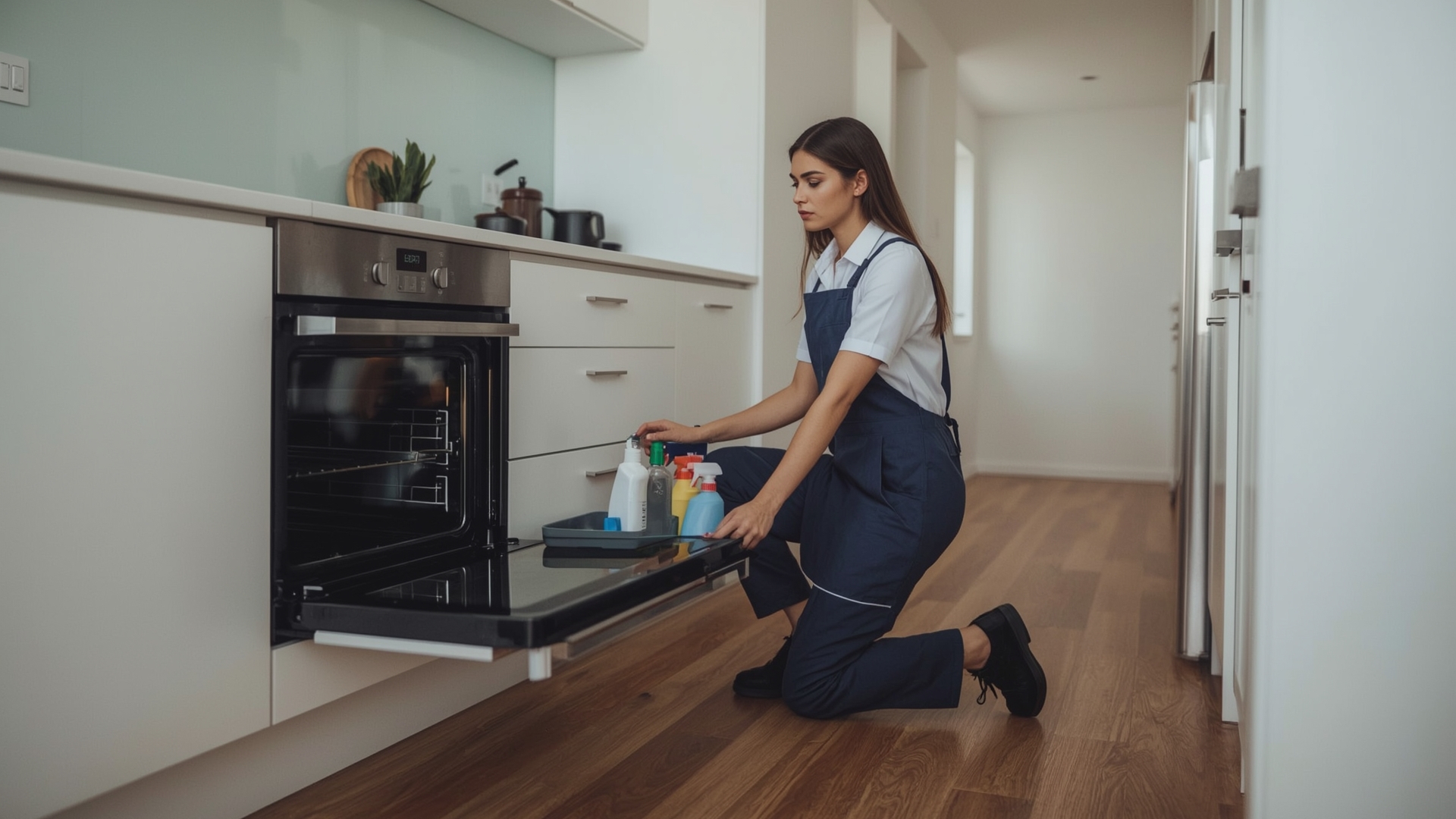
Quick Answer: Turnover cleaning costs range from $300 to $800 for most residential properties. Larger homes, properties in poor condition, or those requiring carpet steam cleaning and oven cleaning can push costs to $1,000 or more.
| Property Size | Base Clean Cost | Carpet Steam Clean (Add-on) | Oven Clean (Add-on) | Estimated Total |
|---|---|---|---|---|
| Studio / 1-bedroom unit | $180–$280 | $80–$130 | $60–$90 | $320–$500 |
| 2-bedroom apartment | $250–$380 | $120–$180 | $60–$90 | $430–$650 |
| 3-bedroom house | $350–$500 | $180–$280 | $60–$90 | $590–$870 |
| 4-bedroom house | $450–$650 | $240–$380 | $60–$90 | $750–$1,120 |
| Large 5+ bedroom home | $600–$900 | $300–$500 | $80–$120 | $980–$1,520 |
Condition surcharges are common. If a property has heavy grease buildup, mould, or has not been cleaned professionally during the tenancy, most cleaning companies apply an additional fee of $50–$200. Always get the cleaner to inspect before quoting if you suspect the property is in poor condition.
What Factors Drive Up the Cost?
- Property size: More rooms and floor space directly increase time and labour.
- Condition at vacate: Heavily soiled properties take longer and require stronger products.
- Add-on services: Carpet steam cleaning, oven cleaning, window cleaning, and blind cleaning are usually priced separately.
- Location: Metro areas generally cost more than regional properties due to higher labour rates.
- Same-day urgency: Booking a same-day or next-day service often attracts a premium of 10–25%.
Should You Hire a Professional or Do It Yourself?
Quick Answer: For bond-related turnover cleans, a professional service is the stronger choice. Professionals carry insurance, provide a written invoice, and often offer a guarantee. DIY works for small properties in good condition where bond disputes are unlikely.
| Factor | Professional Clean | DIY Clean |
|---|---|---|
| Cost | $300–$1,500+ | $50–$150 (products and equipment) |
| Bond dispute evidence | Strong (invoice and receipt) | Weak (no third-party proof) |
| Cleaning guarantee | Common (7–72 hour re-clean window) | None |
| Carpet steam cleaning | Included or added on | Requires equipment hire |
| Time required | None from landlord / PM | 6–12+ hours |
| Suitable for bond dispute | Yes | Rarely |
When DIY Makes Sense
DIY turnover cleaning is reasonable when the property is small, the departing tenant was tidy, and the bond amount does not justify the cost of a professional service. It also works when the landlord manages the property themselves and has the time and equipment to do a thorough job.
When Professional Cleaning Is Worth It
A professional service is worth the cost when the property has carpets, a built-in oven, or any history of maintenance issues. It is also essential if you anticipate a bond dispute. A tribunal will give significantly more weight to a professional cleaning invoice than to a landlord’s statement that the property was dirty.
What Should a Turnover Cleaning Checklist Include?
Quick Answer: A complete turnover cleaning checklist covers every room with specific tasks for floors, surfaces, appliances, fixtures, and storage areas. It should be tied directly to the entry condition report so every item can be verified against the documented starting condition.
| Area | Key Tasks | Common Failure Points |
|---|---|---|
| Kitchen | Oven, rangehood, dishwasher, benches, cupboards | Oven grease, rangehood filter, cabinet interiors |
| Bathroom | Shower, toilet, vanity, mirror, exhaust fan | Grout mould, shower screen scale, toilet base |
| Bedroom | Floors, skirting boards, wardrobes, ceiling fans | Wardrobe tracks, ceiling fan blades, window sills |
| Living areas | Floors, walls, light switches, window tracks | Scuff marks on walls, dirty light switches |
| Laundry | Tub, taps, machine area, shelving | Lint, soap residue, floor drain |
| Garage / outdoor | Sweep, remove items, clean bins | Oil stains on concrete, cobwebs in corners |
How Do You Use the Entry Condition Report to Manage Cleaning Disputes?
Quick Answer: The entry condition report documents the property’s condition at the start of the tenancy. At vacate, cleaning standards are measured against this report. If a condition was present at entry, a tenant cannot be charged for it at exit — making accurate entry documentation essential.
The entry condition report is your legal foundation for every cleaning deduction. Without it, you cannot prove what state the property was in when the tenant moved in. This weakens your position in any bond dispute.
A well-prepared entry report includes photographs with dates and written descriptions of every room, appliance, and surface. When a cleaning issue arises at vacate, you compare the exit condition against the entry photographs. The difference between the two is what a tenant can reasonably be asked to address or pay for.
What Is Considered Fair Wear and Tear?
Fair wear and tear refers to minor deterioration that happens through normal, everyday use. A tenant cannot be charged for this. Examples include light scuff marks on skirting boards, minor fading of paint near windows, or small carpet flattening in high-traffic areas.
Cleaning charges are different. A tenant can be charged for cleaning that falls below the entry condition standard. This includes dirty ovens, mould in showers, stained carpets from spills, and grease buildup on range hoods.
What Are the Most Commonly Missed Areas During a Turnover Clean?
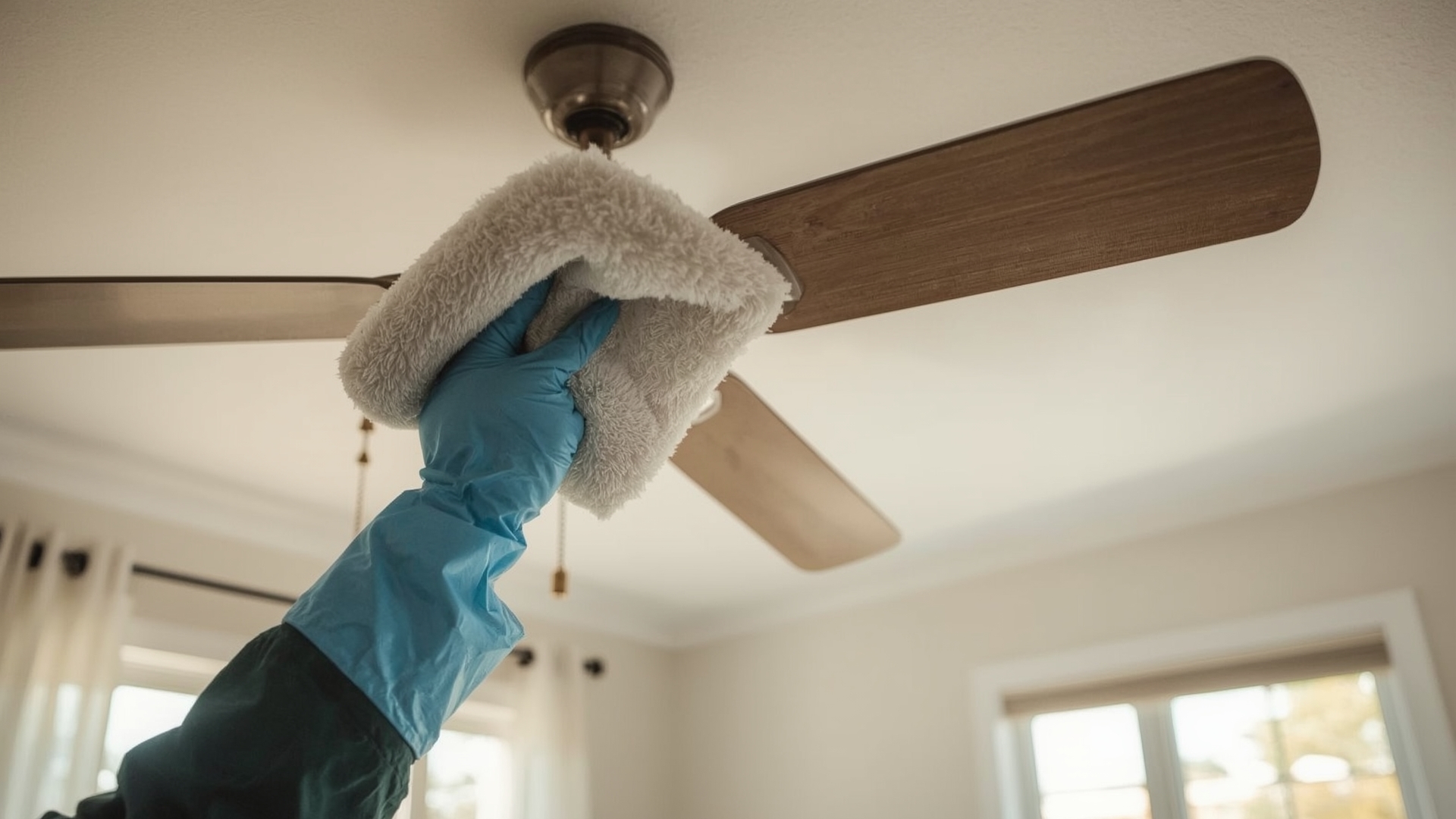
Quick Answer: The most commonly missed areas are oven door seals, range hood filters, ceiling fan blades, window tracks, wardrobe rails, exhaust fan covers, laundry lint traps, and the area behind and beneath appliances such as fridges and washing machines.
Top 10 Areas Inspectors Flag After a Turnover Clean
- Oven interior and door glass (grease and carbon buildup)
- Range hood filter (often soaked in grease)
- Shower grout and screen (soap scum and mould)
- Ceiling fan blades (thick dust accumulation)
- Window tracks and sills (dirt and insect debris)
- Wardrobe interiors (dust on shelf edges and floor)
- Toilet base and behind cistern
- Light switches and power points (fingerprint buildup)
- Exhaust fan covers in bathrooms and kitchens
- Garage floor and walls (cobwebs, oil, dust)
How Long Does a Turnover Clean Take?
Quick Answer: A turnover clean takes 4 to 10 hours depending on property size and condition. A studio apartment in good shape may take 3 to 4 hours. A 4-bedroom house with heavy buildup can take a full day with a two-person crew.
| Property Type | Condition at Vacate | Estimated Duration | Crew Size |
|---|---|---|---|
| Studio / 1-bedroom unit | Good | 3–4 hours | 1 cleaner |
| 2-bedroom apartment | Average | 4–6 hours | 1–2 cleaners |
| 3-bedroom house | Average | 6–8 hours | 2 cleaners |
| 4-bedroom house | Poor | 8–12 hours | 2–3 cleaners |
| 5+ bedroom home | Poor | 10–16 hours | 3–4 cleaners |
What Should You Look for When Hiring a Turnover Cleaning Company?
Quick Answer: Look for a company that offers a bond-back guarantee, carries public liability insurance, provides an itemised invoice, and has experience with property management clients. Always confirm they understand the entry condition report standard before booking.
Questions to Ask Before Booking
- Do you offer a re-clean guarantee, and what is the time window?
- Are carpet steam cleaning and oven cleaning included or priced separately?
- Do you carry public liability insurance? Can you provide a certificate?
- Have you worked with property managers or real estate agencies before?
- How do you price properties that are in poor condition?
- Will you provide an itemised invoice for bond dispute purposes?
Red Flags to Watch For
- No written quote — only a verbal price given over the phone without seeing the property
- No insurance documentation available on request
- No re-clean policy or guarantee of any kind
- Payment required entirely upfront before the job is done
- No business registration or ABN (in Australia) or equivalent business credentials
How Do You Keep Turnover Cleaning Costs Down as a Landlord?
Quick Answer: The most effective way to reduce turnover cleaning costs is to conduct regular inspections during the tenancy and address maintenance issues early. Properties maintained throughout the tenancy are significantly cheaper to clean at vacate than those left for months.
Practical Steps to Lower Your Turnover Cleaning Costs
- Inspect quarterly: Regular inspections catch mould, grease buildup, and maintenance issues before they become expensive at vacate.
- Provide a cleaning guide at the start of the tenancy: Tenants who know what is expected are more likely to maintain the property.
- Build a relationship with one cleaning company: Repeat clients often receive better rates and priority scheduling.
- Include professional cleaning expectations in the lease: Specify that carpet steam cleaning and oven cleaning are required before vacating.
- Keep detailed entry condition reports: A strong entry report reduces the risk of disputes that require additional professional inspections.
Frequently Asked Questions
Can a landlord require a tenant to use a specific cleaning company?
In most Australian states, a landlord cannot require a tenant to use a specific cleaning company. Tenants are free to choose their own cleaner, provided the property meets the required standard at vacate. However, landlords can specify that professional carpet cleaning and oven cleaning must be completed, and request receipts as proof.
What happens if the tenant disputes a cleaning deduction from their bond?
If a tenant disputes a cleaning deduction, the matter goes to the relevant state tenancy tribunal. The landlord must provide evidence — typically the entry condition report, exit condition report, photographs, and a professional cleaning invoice. Without strong documentation, tribunals often rule in favour of the tenant.
Is carpet steam cleaning always required at the end of a tenancy?
Carpet steam cleaning is required if the carpets are in a worse condition than at the start of the tenancy. Many leases include a clause requiring professional carpet cleaning regardless of condition, but some states have rules limiting how strictly this clause can be enforced. Check your state’s tenancy legislation for the current position.
How soon after the tenant vacates should the property be re-let?
Most property managers aim to re-let within 7 to 14 days of the outgoing tenant vacating. This window allows time for the turnover clean, any repairs, and the ingoing inspection. In tight rental markets, some properties are re-let within 2 to 5 days, which requires same-day or next-day cleaning bookings.
What is a bond-back guarantee in cleaning?
A bond-back guarantee is a commitment from the cleaning company to return and re-clean any areas flagged at the final inspection, at no extra charge. The guarantee window is typically 24 to 72 hours after the clean. It is not a guarantee that the tenant will receive their full bond back — it only covers the cleaning component.
Should the outgoing inspection happen before or after the turnover clean?
The outgoing inspection should happen before the turnover clean. This gives you an accurate record of the property’s condition as the tenant left it. Cleaning the property before inspecting it removes the evidence you need to support any bond deductions for cleaning or damage.